TRT Sydney
Doctor led testosterone assessment and care for men in Sydney and across NSW. You complete an assessment online, have a blood test at a collection centre in most suburbs, and speak to your doctor by video.
There are no rooms to visit. The consultation happens wherever you take the call.
- Doctor led, by video call
- Blood tests in most suburbs across NSW
- AHPRA registered practitioners
How TRT assessment works for Sydney men
Primal Zone does not have a clinic in Sydney. Care is delivered by telehealth, and the one part that happens in person is the blood test.
Not sure what a hormone panel shows? Why blood tests matter explains it in plain terms.
If you would rather talk first, you can book a discovery call.
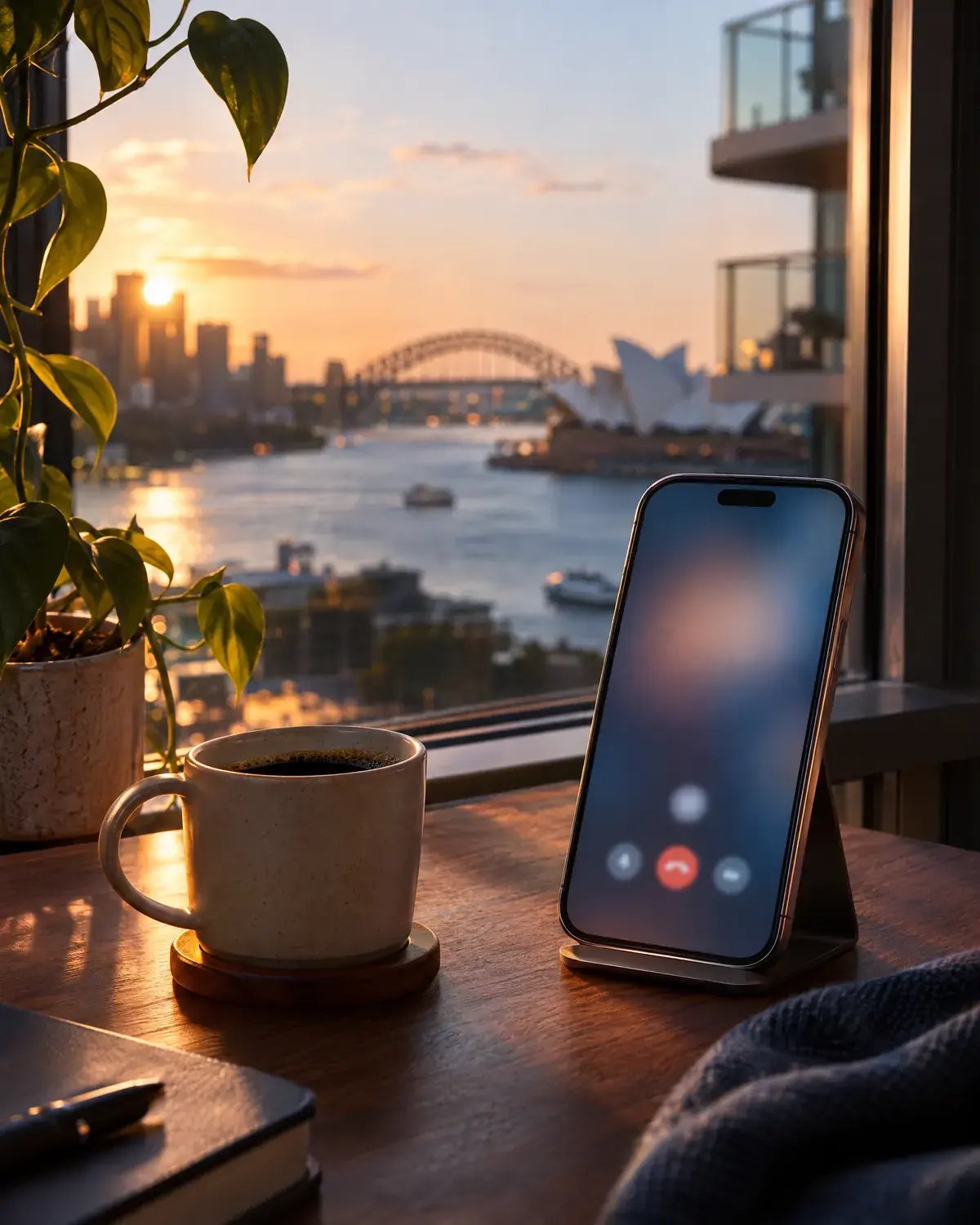
- On your phone or laptop
Complete the online assessment
You answer questions about your symptoms and health history on your own device, at home or anywhere private. It takes the place of a waiting room.
- A pathology collection centre
Take the request form to a collection centre
You collect a pathology request form and take it to a collection centre. There are centres in most suburbs across Sydney and NSW, so you can choose one that suits your commute.
Some centres take bookings, so check before you go.
The test is best done early in the morning while you are fasting, with samples taken close to 8 am. A low result needs a second test on a separate day to confirm it.
- Wherever you are
Speak to your doctor by video
Results for most blood tests take 1 to 3 days, and hormone tests can take longer. Once they are back, your doctor goes through them with you on a video call.
The video call takes place on your phone, tablet or laptop, from home or from a private room at work. You do not travel to a Primal Zone location because there is not one.
We have explained what happens after your blood test results in a separate article.
- Your doctor's decision, then back at a collection centre
A decision, then monitoring
Your doctor decides whether treatment is appropriate, and for some men it is not. If treatment goes ahead, repeat blood tests are taken at a collection centre as part of monitoring.
Who is suitable for testosterone therapy
Testosterone therapy is a treatment a doctor may consider after assessment. It is not right for every man, and the assessment is how that gets decided.
Where assessment can lead to treatment
- Your symptoms and your blood results are considered together, and your doctor sees a pattern that fits low testosterone.
- A low result has been confirmed by a second test on a separate day.
- You are not planning to have a child, which is covered in the next column.
- You have talked through the possible side effects and the monitoring that comes with treatment.
Where assessment leads somewhere else
- You are planning to try to have a child. If you are, your doctor will not prescribe testosterone therapy.
- You have a history of prostate or breast cancer. Tell your doctor at the start, because it is part of the full picture they review.
- Your result is normal but you still have symptoms. Other causes get looked at, and that is a useful result in its own right.
Low testosterone symptoms worth checking
These are common reasons men start looking into this. Symptoms alone never confirm low testosterone, because only a blood test and a doctor's review can do that.
Fatigue
Tiredness that sleep does not seem to fix.
Mental clarity
Trouble concentrating, or thinking that feels foggy.
Body composition
Gaining fat or losing muscle without a change in routine.
Libido
A lower interest in sex than is usual for you.
Sleep
Broken or unrefreshing sleep.
Mood
Feeling flat, irritable or low.
Can my Sydney GP prescribe it?
Testosterone therapy must be prescribed by a medical practitioner, usually a GP, after evaluation by a specialist in sexual medicine or endocrinology, or by a urologist.
It is also illegal to possess or supply testosterone in Australia without a prescription. A doctor has to make the decision, and it follows testing.
The diagnosis itself rests on at least two morning, fasting blood samples taken on separate days. That is why the blood test in the Sydney process is not optional.
Here is what Primal Zone does.
- AssessmentWe run the assessment.
- PathologyWe order the pathology.
- Doctor reviewA doctor reviews your results with you, and refers you on where that is the right step.
Your results are read by a doctor against the testing laboratory's own reference range.
Ordering the blood test does not need a GP referral. The treatment decision still sits with a doctor.
Read about your next step after blood tests if you already have results.
Already on TRT with another clinic?
Men do move between clinics, and your care does not have to start from nothing. A doctor can only continue it safely if they can see where it stands.
What to bring to the assessment
- Recent blood results, ideally the full report rather than a summary.
- Your current treatment details, as written on your prescription.
- The date of your last monitoring check.
Monitoring usually happens three to six months after starting treatment, and covers repeat testosterone, a complete blood count, a digital rectal examination and a PSA test. Your new doctor will want to know which of those are up to date.
You complete the same online assessment, and your own records go to the doctor on your video consultation. Any repeat blood tests are taken at a collection centre in your area.
See all programs for how care is set up.


Doctor led, AHPRA registered
All care is delivered by AHPRA registered medical practitioners, pharmacists, and medical professionals.
Every decision about treatment is made by a doctor.
TRT in Sydney: your questions
More answers are on our FAQ page.
This page is general information about men's health and is not personal medical advice. If you are concerned about symptoms, speak with your doctor.
How much does TRT cost in Australia?
Consultation fees are shown in the pricing section above before you book anything. If the doctor finds you are not eligible for TRT, your onboarding consultation fee is refunded. The fee covers the doctor consultation only. Medication is bought separately after you have seen the doctor, and its cost is set by the pharmacy, so we cannot give you a figure here.
Can I get TRT from my GP in Sydney?
Testosterone therapy must be prescribed by a medical practitioner, usually a GP, after evaluation by a specialist in sexual medicine or endocrinology, or by a urologist.
Primal Zone offers an assessment that includes the blood tests and a doctor review by video. In every case, a doctor makes the decision after testing.
How often are blood tests and reviews?
Diagnosis needs at least two morning, fasting samples taken on separate days. If treatment starts, monitoring is usually done three to six months afterwards, with repeat testosterone, a complete blood count, a digital rectal examination and a PSA test. Your doctor sets the schedule that suits you. With Primal Zone, your first check-in is at three months, then a renewal every six months after that.
Do you stay on TRT forever?
Treatment is usually continued long term, with regular monitoring. Stopping is a decision for your doctor, who will weigh your results and how you are going. It is worth raising that question at the start so you know what to expect.
What are the side effects of testosterone therapy?
Healthdirect lists side effects that can include acne or skin reactions, male pattern hair loss, and higher red blood cell and PSA levels. The list on their page is longer, so read it in full. This is also why monitoring is part of treatment and why your doctor reviews your results.
Is there a Medicare rebate for the consultation?
Our consultations are private fees, so we do not promise a Medicare rebate on them.
A visit to a GP, and some pathology tests, may attract a Medicare rebate. Check with the collection centre before you go, and ask what applies to your request form.
Where in Sydney do I get the blood test?
At a pathology collection centre, which you can find in most suburbs across Sydney and NSW. Early morning, while fasting, is best, so pick a centre on your route to work.
Does TRT affect fertility?
Yes, it can matter. If you are planning to try to have a child, your doctor will not prescribe testosterone therapy. Tell your doctor about any plans for a family at the start of your assessment, so that it can be taken into account.

Start your assessment
The assessment takes place online, in your own time. A doctor reviews it before anything else happens.
Treatment is only prescribed if your doctor decides it’s suitable.