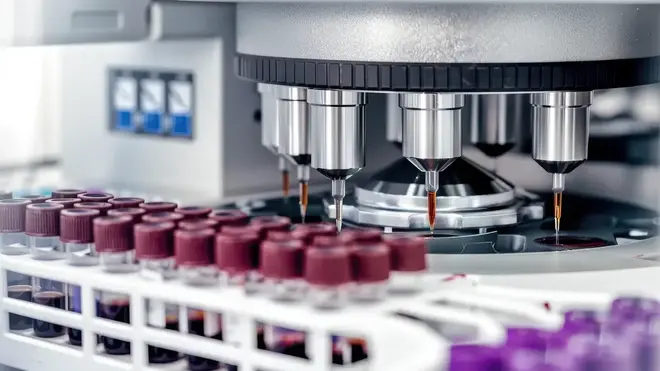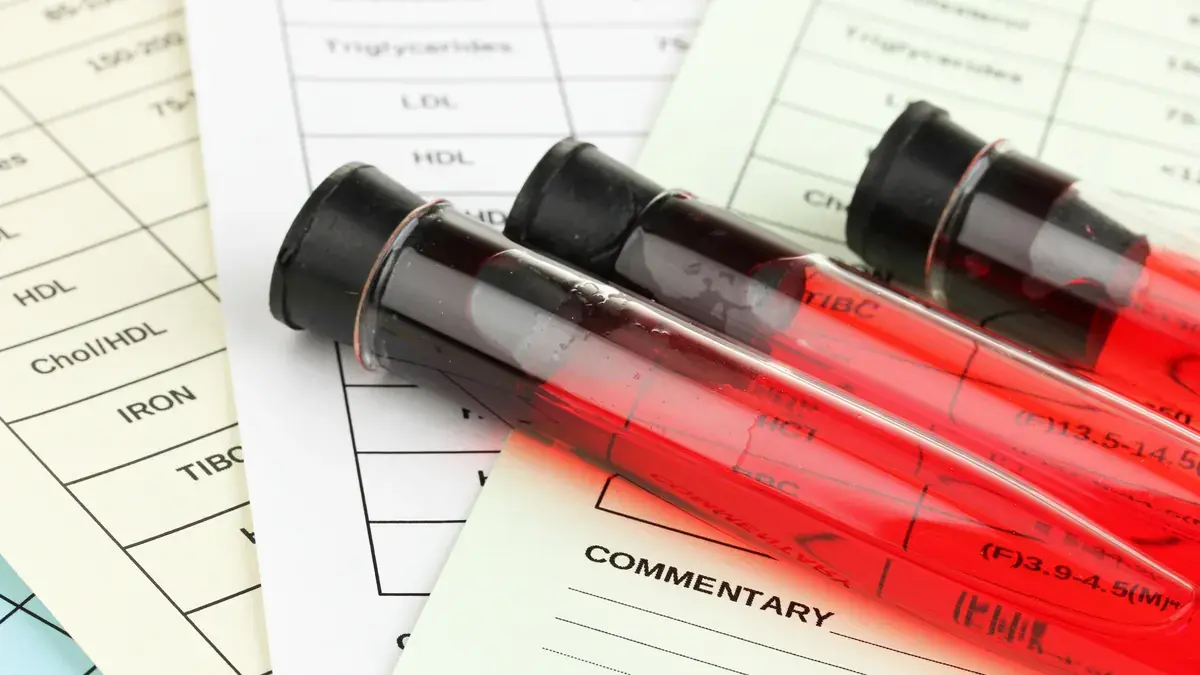
Most blood test results in Australia are back within 1 to 3 business days, and many common tests are ready in 1 to 2 days. Hormone tests, including testosterone, can take several days, while urgent tests can be processed within hours.
The honest answer to how long do blood test results take depends on the test, the lab and how the result reaches you. This guide covers each of those, then explains what happens once your results are in.
Last reviewed: 8 October 2026
How long do blood test results take in Australia?
For most people, results arrive faster than they expect. According to Healthdirect, the results of most common blood tests are available within 1 to 2 days, although some take longer to process.
The type of test makes the biggest difference. Here is how the main groups compare, based on what Australian pathology services publish.
| Type of test | Usual time to results |
|---|---|
| Urgent tests | Can be processed within an hour or so |
| Most common blood tests | 1 to 2 days |
| Routine tests at large labs | Usually 2 to 3 days from collection |
| Hormone tests, such as testosterone | Several days, sometimes more |
| Infection cultures | Longer, because bacteria need time to grow |
| Genetic tests and complex investigations | Many days or even weeks |
Based on published guidance from Healthdirect and Australian pathology services. Times vary between laboratories.
Why some results take longer than others
Labs do not run every test the moment a sample arrives. A non-urgent sample is often batched with others and processed on the next run of that test.
Some samples also travel. Genetic tests in particular may be sent to a specialist reference lab, and occasionally to a lab overseas, which adds days or weeks.
Pathology labs list hormone and endocrine tests among the tests that can take several days or more. That matters if you are checking testosterone, because a hormone test can take longer than the rest of a panel.
Why testosterone is tested in the morning
Testosterone follows a daily rhythm and is highest early in the day. RACGP guidance recommends taking the sample close to 8 am, fasted, because food can lower total testosterone by as much as 25%.
A single result is rarely the final word either. Clinical guidelines say at least two morning samples, collected on separate days, are needed before low testosterone is diagnosed.

That second test is the delay most men do not plan for. If your first result is low, it usually means booking another early morning test rather than reaching a conclusion straight away, which is part of how we assess low testosterone.
How your results reach you
In most cases, the lab sends results to the doctor who ordered the test. Healthdirect suggests asking your doctor when results are likely to be ready and whether they will contact you about them.
You can often see them yourself as well. The Australian Digital Health Agency says most pathology reports, such as blood tests, can be viewed in My Health Record or the 1800MEDICARE app as soon as they are uploaded, although some report types have a 5-day delay.
A doctor can also mark a request as urgent, and the lab will prioritise it where possible. Even so, no news is not the same as a normal result, so it is worth checking rather than assuming.
The Primal Zone process, step by step
When you test through Primal Zone, the lab work happens the same way, through Australian pathology labs. What changes is what happens either side of it, so here is the whole process in one place.
| Step | What happens, and how long |
|---|---|
| 1. Order | Order your blood test online, with no GP referral needed A few minutes |
| 2. Collection | Visit a pathology collection centre, ideally early in the morning and fasted One visit |
| 3. Lab | The lab processes your sample and releases the results Usually 1 to 3 business days; hormones can take longer |
| 4. Upload | You upload the results to your Primal Zone account A few minutes |
| 5. Review | Your results are reviewed alongside your symptoms and health history After upload |
| 6. Next step | A plain-English explanation, and a doctor consultation if it is appropriate You choose when |
If you have not had your bloods done yet, you can order the test online through Primal Zone. Once the results arrive, you upload them to your Primal Zone account and the review starts from there.
What happens after your blood test results come back
A number on a report is only part of the answer. Healthdirect notes that results only have meaning in the context of why you had the test, your age, your overall health, your lifestyle and any medicines you take.
That is why your results are read against the laboratory's own reference range and your symptoms together. A reference range is usually the middle 95% of results from healthy people, as one clinical review explains, so some healthy men will always sit just outside it.
For testosterone specifically, RACGP guidance says a total level of 12 nmol/L or above is usually normal, while 8 to 12 nmol/L may be borderline. The doctor reviewing your results weighs that against how you actually feel.

Two men with similar numbers can still need different things. Someone with no symptoms and a borderline level is in a very different position from someone with ongoing fatigue and the same result, which is why the symptoms that prompted the test matter.
If you are still deciding whether a hormone check is worth it, our guide to the symptoms that usually prompt a hormone check is a good place to start. For a closer look at the test itself, see how a testosterone blood test is read.
Reassurance
Often the answer is that your hormones look healthy. That is a useful result, because it points the search for answers towards sleep, stress, diet or another cause.
Changes to sleep, training or diet
Some results sit in a range where everyday factors can make a real difference. In that case the first recommendation is usually practical rather than medical.
Monitoring and a repeat test
Borderline results are often best watched over time rather than acted on straight away. A repeat test in a few months shows whether levels are stable or changing.
A doctor consultation, if it is appropriate
If your results and symptoms suggest treatment may help, you can book a consultation to go through them in detail with a doctor. If treatment is not the right path, a doctor-led blood review through our performance service can still help you make sense of the results.
If you are planning a family, mention it early. It changes which options are suitable, and the doctor will want to know before discussing any treatment.
When not to wait for your results
Waiting a few days for routine results is normal. If you feel unwell in the meantime, though, see your GP rather than waiting for a report, and call 000 in an emergency.
Frequently asked questions
How long does it take for a GP to get blood test results?
Most labs release routine results to the doctor within 1 to 3 days of collection, and urgent requests are processed first. Ask your GP when to expect them and whether they will contact you.
Can I see my blood test results online in Australia?
Usually, yes. Most pathology reports appear in My Health Record or the 1800MEDICARE app as soon as they are uploaded, although some report types have a 5-day delay.
What blood tests take the longest to come back?
Genetic tests and complex investigations take longest, sometimes weeks, because samples may go to a specialist or overseas lab. Infection cultures and many hormone tests also take longer than a standard blood count.
Do I need to fast before a testosterone test?
Guidelines recommend a fasting sample taken in the morning, close to 8 am, and Healthy Male advises confirming a low result with a second morning test. Food can lower total testosterone by as much as a quarter, which can make a normal level look low.
What can a blood test show?
Blood tests help doctors check your general health and diagnose or monitor conditions such as anaemia, infections, nutrient deficiencies and immune disorders. We explain why blood tests matter before any treatment decision in a separate guide.
A calm next step
Results are the start of a conversation, not a sales pitch. There is no pressure and no obligation, whatever your numbers show.
You can read more about our approach to low testosterone, or look through the treatments we offer if you would like a clearer picture first.
This article is general information about men's health and is not personal medical advice. If you are concerned about symptoms, speak with your doctor.