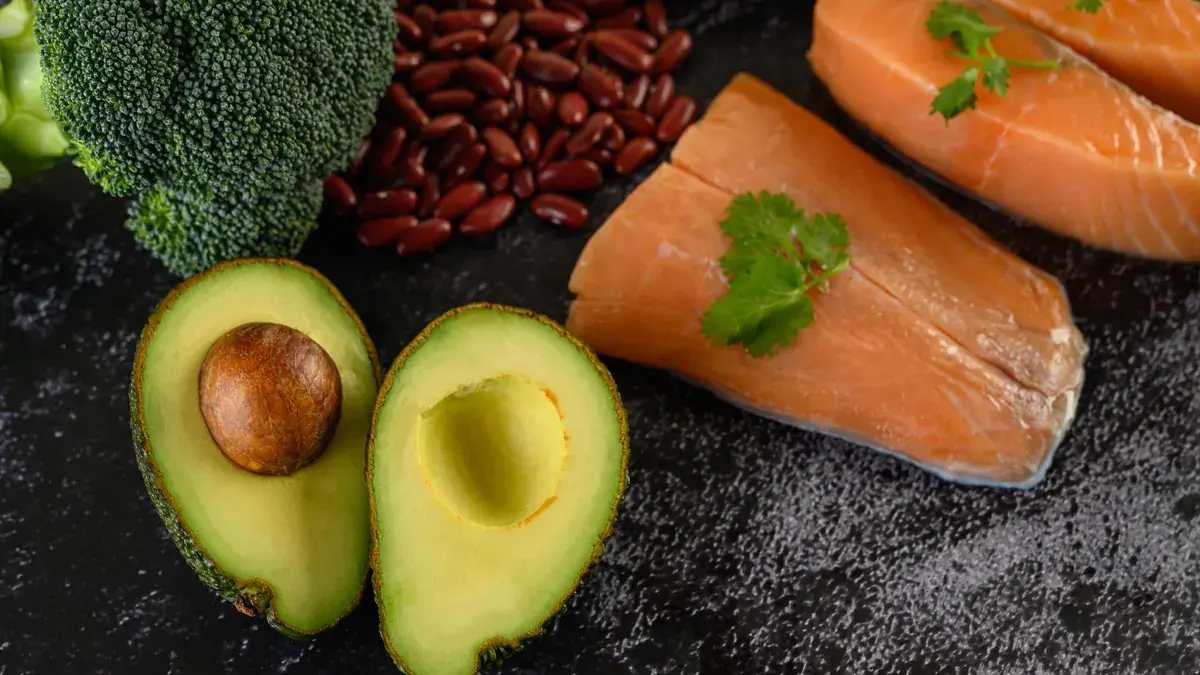
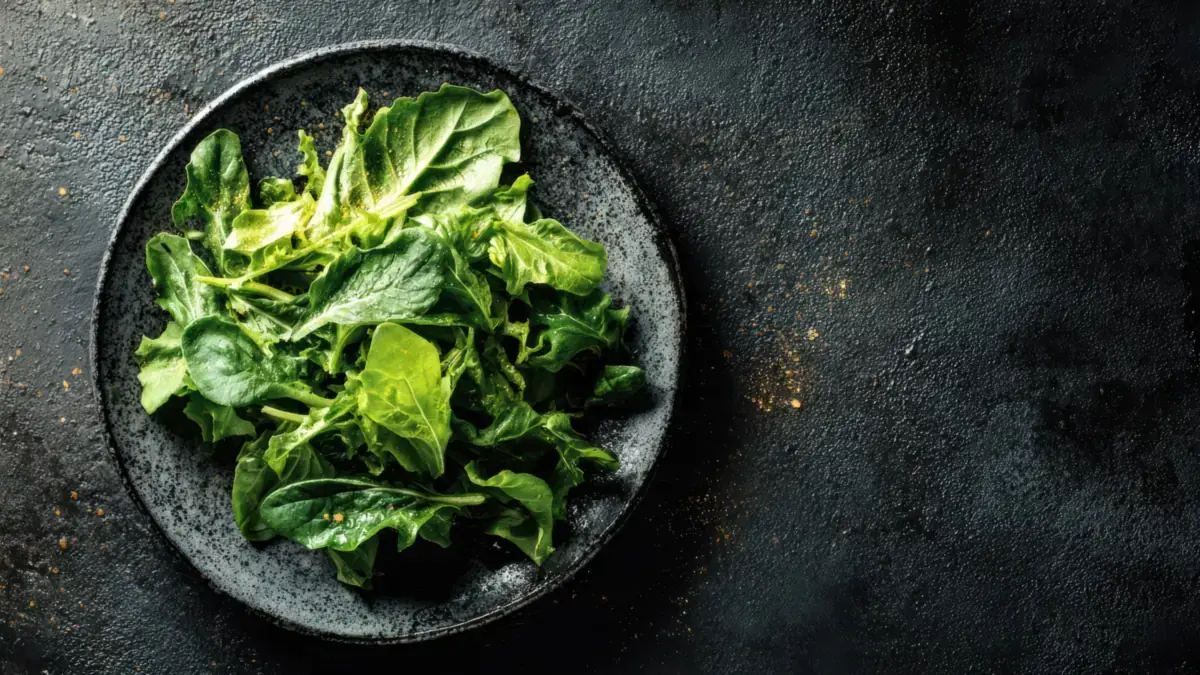
The foods that increase testosterone most reliably are ordinary ones: whole eggs, zinc-rich foods such as oysters and beef, healthy fats from olive oil, nuts and oily fish, and dark green vegetables. Even so, keeping a healthy weight and drinking less alcohol do more for testosterone than any single food.
Below, each popular food is rated by the strength of its evidence, along with the habits that tend to lower testosterone. We also cover when a blood test makes more sense than another change to the shopping list.
Last reviewed: 15 October 2026

Foods that increase testosterone: the shortlist
No food works like a medicine, and the research behind most "testosterone foods" is small. These five have the most sensible case, because each either supports the way the body makes testosterone or helps prevent the things that lower it.
- Whole eggs. In a 12-week trial, men who ate whole eggs after training had a bigger testosterone rise than men who ate egg whites.
- Zinc-rich foods. Oysters, red meat, chicken, legumes, nuts and seeds help you avoid zinc deficiency, which is linked with low testosterone.
- Healthy fats. Olive oil, avocado, nuts and oily fish keep your fat intake adequate, and very low-fat diets are linked with lower testosterone.
- Dark green vegetables and home cooking. Men whose diets leaned on pastries, desserts and eating out had higher odds of low testosterone.
- The right amount of food. Regularly eating more than you burn leads to weight gain, and extra weight lowers testosterone.
That last point carries the most weight, so it gets its own section further down. First, here is how strong the evidence is for each food on the list, and for some popular ones that did not make it.
How strong is the evidence for each food?
Studies on single foods are usually small, short or observational, which means they show a link rather than cause and effect. The table sorts the common claims by what the research actually found.
| Food or claim | What the research found |
|---|---|
| Whole eggs | A bigger testosterone rise than egg whites over 12 weeks of training in 30 young men One small randomised trial |
| Zinc-rich foods | Cutting zinc lowered testosterone, and zinc raised it in older men who were low in zinc Small human studies |
| Healthy fats | Low-fat diets lowered testosterone compared with higher-fat diets across 6 studies of 206 men Review of trials |
| Dark green vegetables | A diet low in dark green vegetables and homemade food predicted low testosterone Observational study of 125 men |
| Vitamin D | Supplements did not change testosterone in healthy men whose levels were already normal Randomised trial |
| Soy | No effect on testosterone across 41 studies, whatever the dose or length of the study Review of trials |
| "Booster" supplements | Only about a quarter of their ingredients had any data showing a rise in testosterone Analysis of 50 products |
Source: Bagheri et al. 2021, Prasad et al. 1996, Whittaker and Wu 2021, Hu et al. 2018, Lerchbaum et al. 2017, Reed et al. 2021 and Clemesha et al. 2020, all peer-reviewed and indexed on PubMed.
Healthy Male, the Australian men's health organisation, is blunt about this. Its doctor writes that the evidence behind most testosterone diet advice is slim, and that the quality of your diet on its own has no major effect on testosterone levels.
The foods above are still worth eating, because they support your health in other ways. None of them, though, will correct a genuine hormone problem on its own.
Eggs, zinc and healthy fats: what to put on the plate
These three groups fit easily into ordinary Australian meals, with no special product or supplement needed.
Whole eggs
In the trial above, men who ate 3 whole eggs after each session saw a larger rise in testosterone than men eating the same amount of protein from 6 egg whites. It was one small study in trained young men, so treat it as a reason to keep the yolk rather than as a treatment.
Oysters, red meat and other zinc-rich foods
Zinc plays a part in how the body regulates testosterone, and moderate or severe zinc deficiency is linked with low testosterone in men. In one small study, cutting zinc from young men's diets for 20 weeks lowered their testosterone sharply.
The Healthdirect zinc guide lists meat and chicken, seafood including oysters, dairy, whole grains, eggs, legumes, nuts and seeds as the best sources. Too much zinc can cause nausea, vomiting and diarrhoea, so check with a doctor before taking a supplement.

Olive oil, avocado, nuts and oily fish
A 2021 review of six trials found that men on low-fat diets had lower testosterone than men eating more fat. The authors said larger trials are still needed, but it is a good reason not to strip fat out of your meals.
Favour olive oil, avocado, nuts, eggs and oily fish such as salmon and sardines. Keep deep-fried takeaway as an occasional meal rather than a regular one.
Why your weight matters more than any single food
The link between testosterone and weight loss is the best supported part of this topic. Healthy Male explains that regularly eating more than your activity needs can lower testosterone by causing weight gain, and that losing excess weight can raise it again.
Healthdirect lists obesity among the causes of low testosterone and notes that losing weight can improve levels. In a review of 24 studies, weight loss through a low-calorie diet was linked with higher testosterone, and the rise tended to be larger in men who lost more.
Weight tends to creep on with age for reasons beyond willpower, as we explain in why weight gets harder to shift over time. A steady approach you can keep up beats a crash diet.
Protein is worth getting right while you lose weight, because it supports the muscle you build with strength training. A large review found that muscle gains from training levelled off at around 1.6 g of protein per kilogram of body weight a day, or roughly 135 g for an 85 kg man, from foods such as meat, fish, eggs, dairy and legumes.
Foods and habits that can lower testosterone
The overall eating pattern counts as much as any one food. In a study published in Nutrients, men who ate a lot of bread and pastries, desserts and meals out, with little homemade food or leafy greens, had higher odds of low testosterone.
Healthy Male notes that Australians get around a third of their energy from foods we should limit, such as soft drinks, confectionery, pies, chips, biscuits, cakes and alcohol. Eating less of them makes a healthy weight, and a healthy testosterone level, easier to keep.
Alcohol is the first thing worth looking at. A 2023 review by Australian researchers found that drinking to excess, particularly over the long term, reduces the body's testosterone production.
The Australian guideline for healthy adults is no more than 10 standard drinks a week and no more than 4 on any one day, as set out in the Medical Journal of Australia. If you regularly drink more than that, cutting back is a better place to start than adding any food on this list.
Do testosterone booster supplements work?
Most do not have the evidence to back their claims. When researchers checked 50 popular "testosterone booster" supplements, 90% claimed to raise testosterone, yet only about a quarter of their ingredients had any data showing a rise.
About 1 in 10 ingredients had data suggesting they could lower testosterone, and many products held doses of vitamins and minerals far above recommended levels. Healthy Male's view is that there is no need to spend money on boosters or "superfoods" when eating well does the job.
Vitamin D is a common add-on, but in a randomised trial of healthy men with normal testosterone, vitamin D supplements did not change testosterone levels. Zinc supplements make sense when a doctor finds you are low, and not as a routine extra.
Which change will help you most?
A good diet for testosterone looks different depending on where you start. Use the table to find the change most likely to matter for you.
| If this sounds like you | The change most likely to help |
|---|---|
| You carry extra weight | Steady weight loss through a modest cut in what you eat, with enough protein |
| You drink more than 10 standard drinks a week | Cut back to the guideline of 10 a week and no more than 4 on any day |
| Most meals are takeaway, pastries or snacks | More home-cooked meals built around vegetables, protein and healthy fats |
| You follow a very low-fat diet | Add back olive oil, nuts, eggs and oily fish |
| You are thinking about booster supplements | Spend the money on food instead, and ask your doctor before taking zinc |
| You eat well and keep a healthy weight, but still feel flat | A blood test, because the cause may not be your diet |
Based on published guidance from Healthy Male, Healthdirect and the Australian alcohol guidelines.
If you are working out how to increase testosterone naturally, the first rows usually come before the last one. Regular strength training sits alongside food, and we look at how training affects testosterone in a separate guide.
When food is not the answer
Diet can only do so much, and some signs suggest something else is going on. These are worth raising with a doctor:
- You eat well and stay active, but your weight will not shift.
- Low energy persists despite good food, sleep and training.
- Your libido or motivation has dropped even with the basics in place.
- Your mood has been low for weeks.
If low mood is part of the picture, you can call Lifeline on 13 11 14 at any hour. You do not need to wait for a test result to ask for help.
According to the Healthy Male guide to testosterone deficiency, diagnosing low testosterone usually begins with a blood test. Results in Australia are reported in nmol/L and read against the testing laboratory's own reference range.
The test is best done early in the morning while fasting, when testosterone is usually at its highest, and Healthdirect advises a second test to confirm a low result. We explain what to do once your results are back in a separate guide.
If testing does confirm low testosterone, treatment is a separate decision a doctor makes after a full assessment. Testosterone therapy has side effects, needs regular monitoring and is not right for every man, which is why we set out how we assess low testosterone before any treatment is discussed.
Frequently asked questions
What food increases testosterone the most?
No single food stands out in good-quality research. Whole eggs, zinc-rich foods, healthy fats and dark green vegetables have the best case, and losing excess weight has a bigger effect than any of them.
Do eggs increase testosterone?
One 12-week trial found a larger testosterone rise in men eating whole eggs after training than in men eating egg whites. It was a small study in trained young men, so it supports keeping the yolk rather than eating eggs as a treatment.
Does soy lower testosterone?
No, according to the best available evidence. A review of 41 studies found that soy foods, soy protein and isoflavone supplements did not change testosterone in men, whatever the dose.
What drink increases testosterone?
No drink has good evidence for raising testosterone. Cutting back on alcohol is the drink change most likely to help, because heavy drinking reduces testosterone production.
Does losing weight increase testosterone?
For men carrying excess weight, it usually does. In a review of 24 studies, testosterone rose with weight loss, and the rise was larger in men who lost more weight.
A calm next step
Eating well, keeping a healthy weight and drinking within the guidelines give your body the best conditions to make testosterone. If you have those basics right and still feel flat, the answer may sit underneath the food.
A doctor-led assessment, starting with your history and a blood test, is a useful next step. You can read about Primal Zone's approach to low testosterone before deciding whether it is right for you.
This article is general information about men's health and is not personal medical advice. If you are concerned about symptoms, speak with your doctor.